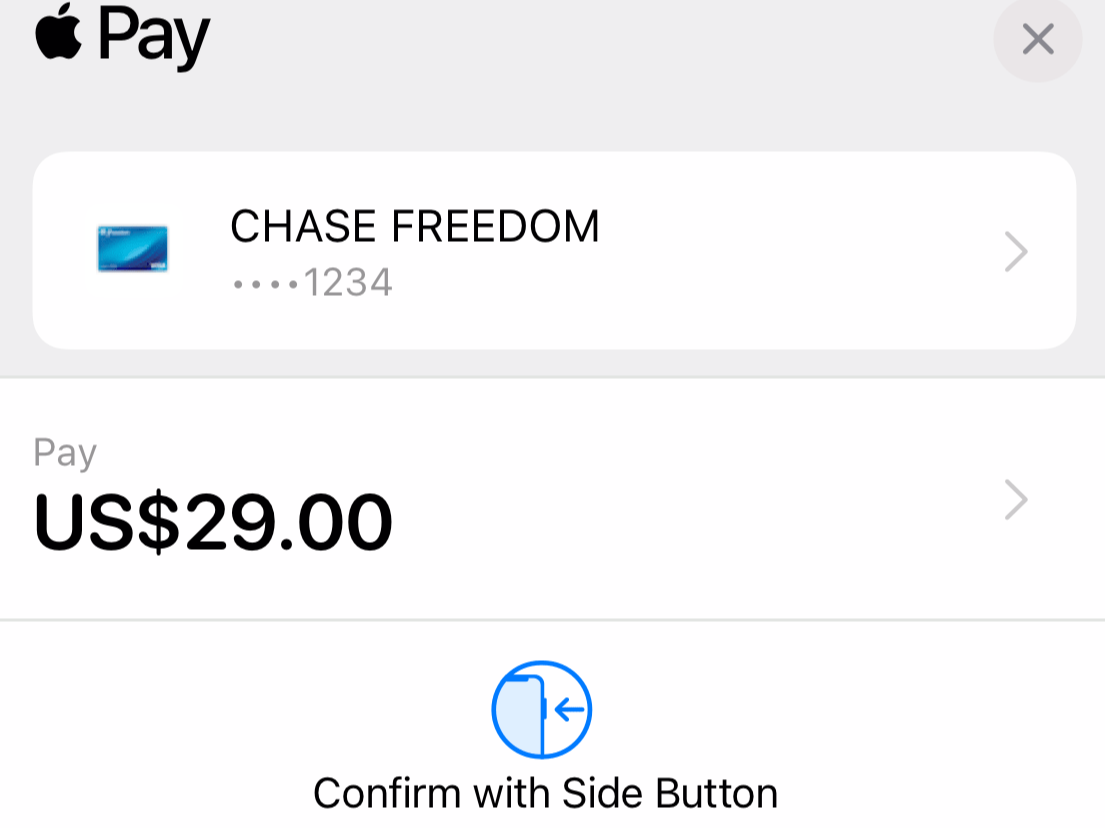
As more players turn to mobile gaming and online casinos for entertainment, payment methods have become a crucial part of the user experience. One of the most popular digital wallets in recent years is Apple Pay. However, not all online casinos have integrated this payment option. In this article, we’ll delve into the concept of Apple Pay casinos and discuss why some platforms do not support this payment method. For further insights on company practices and safety measures in various sectors, see the Apple Pay casino not on GamStop IOSH Conference.
The Rise of Digital Payment Solutions
Gone are the days when players had to rely on traditional banking methods such as credit and debit cards or wire transfers to fund their online casino accounts. The digital landscape has evolved, leading to the emergence of various e-wallets and mobile payment systems, including Apple Pay. This digital wallet allows users to make secure payments quickly and efficiently using their Apple devices, offering convenience to those who favor mobile gaming.
Benefits of Using Apple Pay for Online Casinos
Choosing Apple Pay as a payment method at online casinos comes with several advantages:
- Security: Apple Pay employs advanced encryption and biometric authentication, ensuring that users’ personal and financial information remains safe.
- Speed: Transactions through Apple Pay are typically processed instantly, allowing players to start gaming without delays.
- Privacy: Players do not need to share their card details with casinos, enhancing their privacy while gambling online.
Challenges and Limitations for Apple Pay Casinos
Despite the numerous benefits that come with using Apple Pay, several factors limit its adoption among online casinos:
1. Regulatory Issues
One of the primary challenges faced by online casinos is the complex legal landscape surrounding gambling. Different jurisdictions have different laws regarding acceptable payment methods. In some regions, Apple Pay may not meet the regulatory requirements for online gambling transactions, leading casinos to exclude it from their payment options.
2. Merchant Restrictions
Apple restricts the use of Apple Pay in certain industries, including online gambling in some markets. Casinos must adhere to these restrictions, preventing them from offering Apple Pay as a payment option.
3. High Service Fees
Online casinos often seek to minimize their costs to remain competitive. Apple Pay may impose transaction fees that some casinos cannot afford to pass on to their players. This financial burden can lead to the decision not to accept this payment method, especially for smaller operators.
4. Integration Challenges
Integrating a new payment method into an existing casino platform can be technically challenging. Online casinos may need to invest significant resources into development and testing to ensure a seamless user experience. For some smaller casinos, the costs associated with integrating Apple Pay may outweigh the potential benefits.
What It Means for Players
The absence of Apple Pay on certain online casino platforms raises questions about alternative payment methods. Players looking for online casinos that accept mobile payments have several options, including traditional e-wallets like PayPal, Skrill, and Neteller, which are widely accepted.
Furthermore, as regulations evolve and more players demand convenient payment options, there’s a possibility that more casinos will eventually adopt Apple Pay or alternatives that offer similar benefits. Players should stay informed about the payment options available at their chosen casinos and be ready to adapt to changes as the landscape for online gambling evolves.
Conclusion
While Apple Pay remains a favored payment method for many consumers, its limited acceptance in the online casino world reflects a combination of regulatory complications, merchant restrictions, and operational challenges. As the industry grows and adapts, players can anticipate changes in payment options. For now, understanding the landscape of available payment methods will allow players to make informed choices about where and how they gamble online.