
The Rise of Online Sports: Unleashing the Power of Virtual Competition
In recent years, the sports landscape has witnessed a monumental transformation with the rise of online sports. This surge is not merely a passing trend; it represents a seismic shift in how we engage with sports, players, and fellow fans. Among the many platforms that have fueled this shift, online betting sites and virtual gaming platforms have played a pivotal role in creating a vibrant ecosystem. For instance, The Rise of Online Sports Betting in Bangladesh in 2026 Mostbet partners with various organizations to enhance the online sports experience. From traditional sports to eSports, let’s delve deeper into what has led to this remarkable growth.
The Appeal of Online Sports
The appeal of online sports can be traced to several core aspects that resonate with modern audiences. Firstly, accessibility is paramount. Fans no longer need to be bound by geographical limitations. Whether it’s soccer in Europe, baseball in the United States, or cricket in India, the online landscape allows fans from all corners of the globe to engage with their favorite sports.
Moreover, online sports provide a platform for real-time engagement. Live streaming services, social media interactions, and interactive features let fans feel connected to events happening thousands of miles away. The immediacy of online sports promotes not just viewership but active participation in discussions, predictions, and analyses.
The Role of Technology
Technology is a critical driver behind the rise of online sports. From high-definition streaming and augmented reality to data analytics and AI, technological advancements are reshaping the way sports are viewed and experienced. For instance, applications that provide real-time statistics and in-depth analyses have empowered fans to make informed decisions, particularly in betting and fantasy sports.
E-sports represent another phenomenal facet of the online sports revolution. Once seen as a niche market, e-sports have exploded in popularity, attracting millions of viewers and participants. Tournaments offering significant prize pools come with massive online audiences, further pushing the boundaries of what constitutes a ‘sport’.
Impact on Traditional Sports
The rise of online sports has substantial implications for traditional sporting events. Many professional leagues have recognized the potential of digital platforms to reach younger audiences. Initiatives like NBA League Pass or the NFL Game Pass allow fans to access live games, replays, and exclusive content from wherever they are, creating a robust online community around traditional sports.
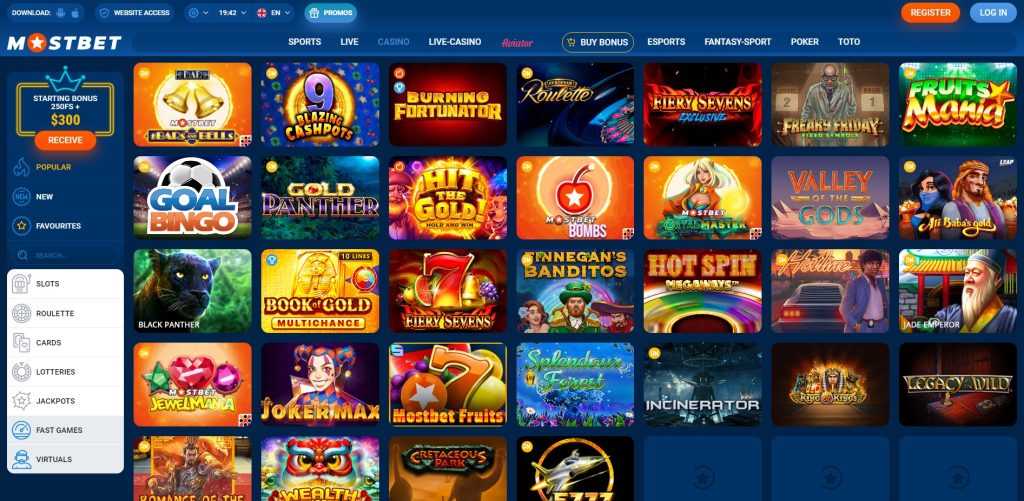
Additionally, online sports betting has dramatically changed the landscape. Legalization trends worldwide have opened new revenue streams for leagues and teams, often leading to strategic partnerships with betting platforms. These collaborations enhance fan engagement through incentives and promotions that enrich the viewer experience.
Challenges and Regulations
However, the rise of online sports is not without challenges. Issues surrounding integrity and fairness, particularly in e-sports and betting, have prompted concerns about cheating and match-fixing. Regulatory bodies need to establish stringent guidelines to protect the interests of players and fans alike.
Furthermore, the question of responsible gambling has gained prominence with the surge in online betting. Responsible gaming campaigns and educational programs are essential to mitigate the potential adverse effects of gambling addiction amongst fans.
The Future of Online Sports
Looking forward, the future of online sports promises to be even more integrated and immersive. As technologies such as virtual reality (VR) and the metaverse evolve, fans may find themselves in entirely new environments to watch and experience sports. Imagine attending a virtual stadium filled with fans from around the world, sharing in real-time reactions and celebrating victories, despite being physically miles apart.
In addition, personalized content delivery will play a significant role in shaping the online sports landscape. AI-driven algorithms will tailor experiences to individuals based on their preferences, creating a more engaging and immersive platform for fans.
Conclusion
The rise of online sports signifies a fundamental change in how we engage with athletic competition. The fusion of traditional sports with online platforms not only broadens accessibility but also enriches the viewing experience. With technology continuing to advance and reshape the landscape, the future holds endless possibilities for innovation and engagement in the world of sports.
As we embrace these changes, it is essential to remain vigilant and ensure that they occur with integrity and responsibility. The world of online sports is exciting, dynamic, and momentous—ushering in a new era that connects fans like never before.