Exploring the evolution of gambling through the ages
Ancient Beginnings of Gambling
The roots of gambling can be traced back to ancient civilizations, where games of chance were often integrated into religious and cultural practices. Archaeological evidence shows that the Chinese were playing with rudimentary dice as far back as 2300 BC. In ancient Rome, gambling was a common pastime among citizens, with various games and betting events that were often organized around gladiatorial contests and chariot races. These early forms of gambling laid the groundwork for more sophisticated systems that would develop later in history. Additionally, platforms like mafiacasinos-cz.com showcase how technology has transformed accessibility across the gambling landscape.
In addition to dice, other forms of gambling emerged in ancient cultures. The Egyptians created games using pawns on boards, reminiscent of modern-day board games, while the Greeks participated in various betting activities. This intertwining of gambling with cultural rituals illustrated how games of chance not only provided entertainment but also served social functions in these communities. The acceptance of gambling in these societies paved the way for its evolution into a global industry.
As time passed, gambling practices evolved with trade and commerce, transitioning from simple games to complex betting systems. The introduction of currency allowed for more substantial wagers and the establishment of formal betting houses, which began to appear in Europe during the Middle Ages. These early establishments marked the beginning of organized gambling, setting the stage for future developments in the gambling industry.
The Rise of Casinos in Europe
The 17th century marked a significant turning point in the history of gambling with the establishment of the first casinos in Europe. The Casino di Venezia in Italy, opened in 1638, is often credited as the world’s first formal casino, offering a variety of games and a structured environment for betting. This concept quickly spread across Europe, with cities like Monte Carlo and Paris becoming famous for their opulent gaming houses, attracting elite players from around the world.
The popularity of casinos coincided with the rise of the bourgeoisie, who sought leisure activities that signified wealth and status. This newfound fascination with gambling led to the invention of various games, such as baccarat, roulette, and blackjack. These games, characterized by their combination of skill and luck, not only provided entertainment but also became social events, where people gathered to enjoy the ambiance of high-stakes gaming.
As casinos flourished, regulations began to emerge, aiming to control and standardize gambling practices. Governments recognized the potential economic benefits of legalized gambling and started to impose taxes and licensing requirements. This era laid the groundwork for modern gambling laws and helped to further legitimize gambling as a respected form of entertainment in society.
Gambling in the 19th Century and Beyond
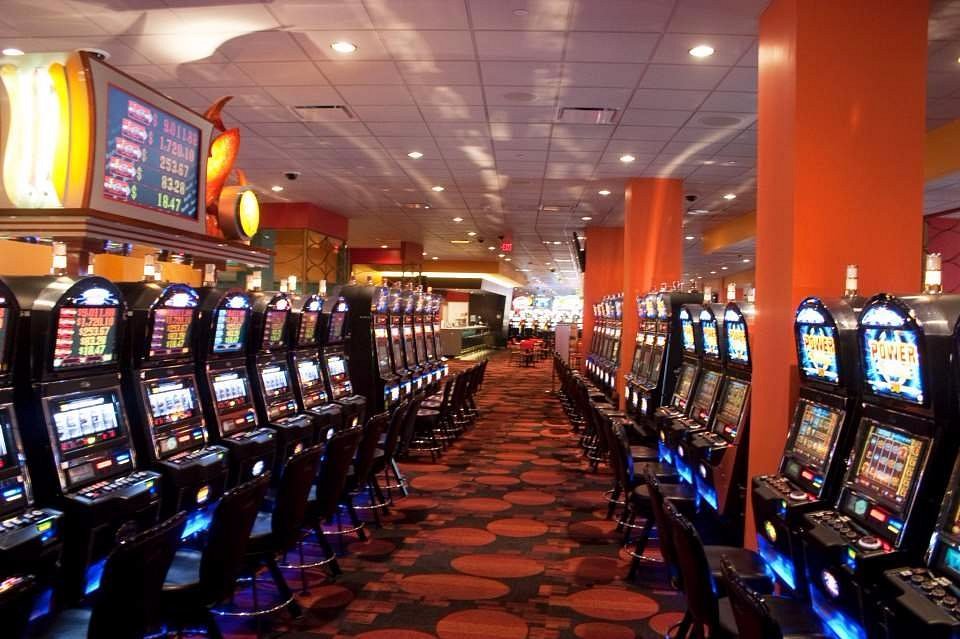
The 19th century brought about significant changes in the gambling landscape, especially with the industrial revolution. The introduction of technology influenced gaming machines, leading to the creation of the first mechanical slot machines in the late 1800s. These machines, which offered a chance to win based on simple mechanical functions, revolutionized gambling and attracted a different demographic of players. The ease of play and potential for big wins contributed to the machines’ popularity.
This era also saw the establishment of sports betting as a mainstream activity, with the first official horse racing tracks and betting parlors emerging. The legalization of betting on horse races in the United Kingdom during the 1850s marked the beginning of organized sports betting, leading to the formation of betting syndicates and eventually, professional gamblers. The rise of sports betting created a new dynamic in gambling, drawing attention to the strategy and analysis involved in betting on sporting events.
With the advent of the 20th century, gambling continued to evolve, experiencing both boom and bust periods due to economic factors and shifting societal attitudes. The Great Depression saw many casinos shut down, but post-World War II, gambling experienced a resurgence, particularly in Las Vegas, which became synonymous with glitz, glamour, and high-stakes gambling. The mid-20th century solidified gambling’s place in popular culture, influencing films, music, and literature.
The Digital Revolution and Online Gambling
The turn of the millennium introduced a new era of gambling with the rise of the internet. Online casinos began to emerge, offering players the convenience of gambling from the comfort of their homes. This shift democratized gambling, making it accessible to a broader audience and allowing for the development of various online games that catered to different preferences. The introduction of online gambling platforms changed the landscape dramatically, offering features such as live dealer games and interactive experiences.
Additionally, advancements in technology, such as mobile gaming, further transformed the gambling experience. With smartphones and tablets, players could access their favorite casino games anywhere, at any time. This accessibility led to a surge in mobile gambling, prompting many online casinos to optimize their platforms for mobile use, enhancing user experience and engagement. The ability to gamble on-the-go has become a crucial aspect of modern gambling culture.
The online gambling industry has also raised questions regarding regulation and responsible gaming. Many jurisdictions have enacted laws to govern online gambling, focusing on ensuring player protection and fair play. As this industry continues to evolve, it is essential for players to be aware of responsible gaming practices and to choose platforms that prioritize player safety and security.

Conclusion: The Future of Gambling
As we explore the evolution of gambling through the ages, it is clear that this form of entertainment has adapted to societal changes, technological advancements, and cultural shifts. From its ancient beginnings to the luxurious casinos of Europe and the digital platforms of today, gambling continues to evolve in exciting ways. The integration of technology has not only transformed how we play but also how we perceive gambling as a legitimate form of entertainment.
With the emergence of virtual reality and blockchain technology, the future of gambling holds tremendous potential. Innovations like decentralized betting systems and immersive gaming experiences are on the horizon, promising to further revolutionize the industry. As we move forward, it is essential for players to engage responsibly and to stay informed about the latest developments in the gambling landscape.
The dynamic nature of online casinos, such as Mafia Casino, reflects the ongoing evolution of gambling. Offering a range of games, from classic slots to live dealer options, these platforms provide an engaging and safe environment for players. With a commitment to responsible gaming and user engagement, modern online casinos are shaping the future of gambling, ensuring that it remains a thrilling and responsible pastime for players around the world.