Comprehensive Web Analytics Glossary: Key Terms and Definitions
In the realm of digital marketing, understanding the terminology related to web analytics is crucial for tracking website performance and improving user experience. Whether you’re a beginner or an experienced analyst, having a solid grasp of these terms will help you make informed decisions based on data. For a more extensive glossary, check out this web analytics glossary https://accs-net.com/glossary/.
1. Web Analytics
Web analytics refers to the measurement, collection, analysis, and reporting of web data for the purposes of understanding and optimizing web usage. It involves analyzing data from visitors to a website and understanding their behavior to improve overall performance.
2. Session
A session is a period during which a user interacts with a website. A session can consist of multiple page views, events, and transactions, allowing web analysts to understand user engagement over a specified timeframe.
3. Page View
A page view is counted every time a user loads or reloads a web page. This metric helps webmasters understand the volume of activities occurring on their site.
4. Bounce Rate
Bounce rate is the percentage of single-page visits to a website. A high bounce rate may indicate that users are not finding what they expected on the landing page, while a low bounce rate typically reflects effective engagement and navigation.
5. Conversion Rate
Conversion rate is the percentage of visits that result in a desired action, such as a purchase or sign-up. Understanding conversion rates helps businesses gauge the effectiveness of their marketing campaigns and website design.
6. Unique Visitor
A unique visitor is an individual who visits a website at least once during a specified time period. This metric is crucial for understanding the actual audience size without duplicating counts from repeat visits.

7. Click-Through Rate (CTR)
Click-through rate is the ratio of users who click on a specific link to the number of total users who view a page, email, or advertisement. It is important for measuring the effectiveness of online marketing campaigns.
8. User Journey
The user journey refers to the complete experience a user goes through when interacting with a website. Understanding this journey helps businesses identify pain points and opportunities for improvement.
9. Attribution
Attribution is the process of identifying which marketing channels contributed to a conversion. Various models, such as first-click or last-click attribution, can provide insights into the effectiveness of different strategies.
10. Segmentation
Segmentation involves dividing web analytics data into specific groups based on attributes such as demographics, behavior, or source. This enables more focused analysis and better-targeted marketing efforts.
11. Funnel Analysis
Funnel analysis examines the steps users take to complete a desired action on a website, such as making a purchase. By identifying where users drop off, businesses can optimize the funnel to increase conversions.
12. Heatmap
A heatmap is a data visualization tool that shows the various places on a webpage where users click, scroll, or hover. This information is essential for understanding user behavior and improving web design.
13. A/B Testing
A/B testing is a method of comparing two versions of a webpage or app against each other to determine which performs better. It is commonly used to enhance user engagement and conversion rates.
14. Return on Investment (ROI)
ROI measures the profitability of an investment relative to its cost. In web analytics, it is often used to assess the effectiveness of marketing campaigns and strategies.
15. Data Privacy
Data privacy refers to the proper handling and protection of personal data collected during web analytics. Compliance with regulations such as GDPR is crucial for maintaining user trust and avoiding legal issues.
16. Cookies
Cookies are small pieces of data stored on a user’s device by the web browser. They are used to remember user preferences and improve the overall experience, but they also raise questions about privacy.
17. Traffic Sources
Traffic sources refer to the various channels through which visitors arrive at a website, including organic search, paid advertising, social media, and direct visits. Understanding traffic sources helps assess the effectiveness of marketing efforts.
18. User Engagement
User engagement measures how actively users interact with a website. Metrics such as time on page, pages per session, and social shares can provide insights into user interest.
19. Retention Rate
Retention rate is the percentage of users who return to a website after their first visit. High retention indicates positive user experience and effective engagement strategies.
20. Compliance
Compliance in web analytics involves adhering to legal standards and best practices regarding user data collection, storage, and usage. Ensuring compliance helps build trust and protect user privacy.
Conclusion
Familiarity with web analytics terminology is essential for marketers, analysts, and business owners who aim to improve their online presence and optimize their strategie
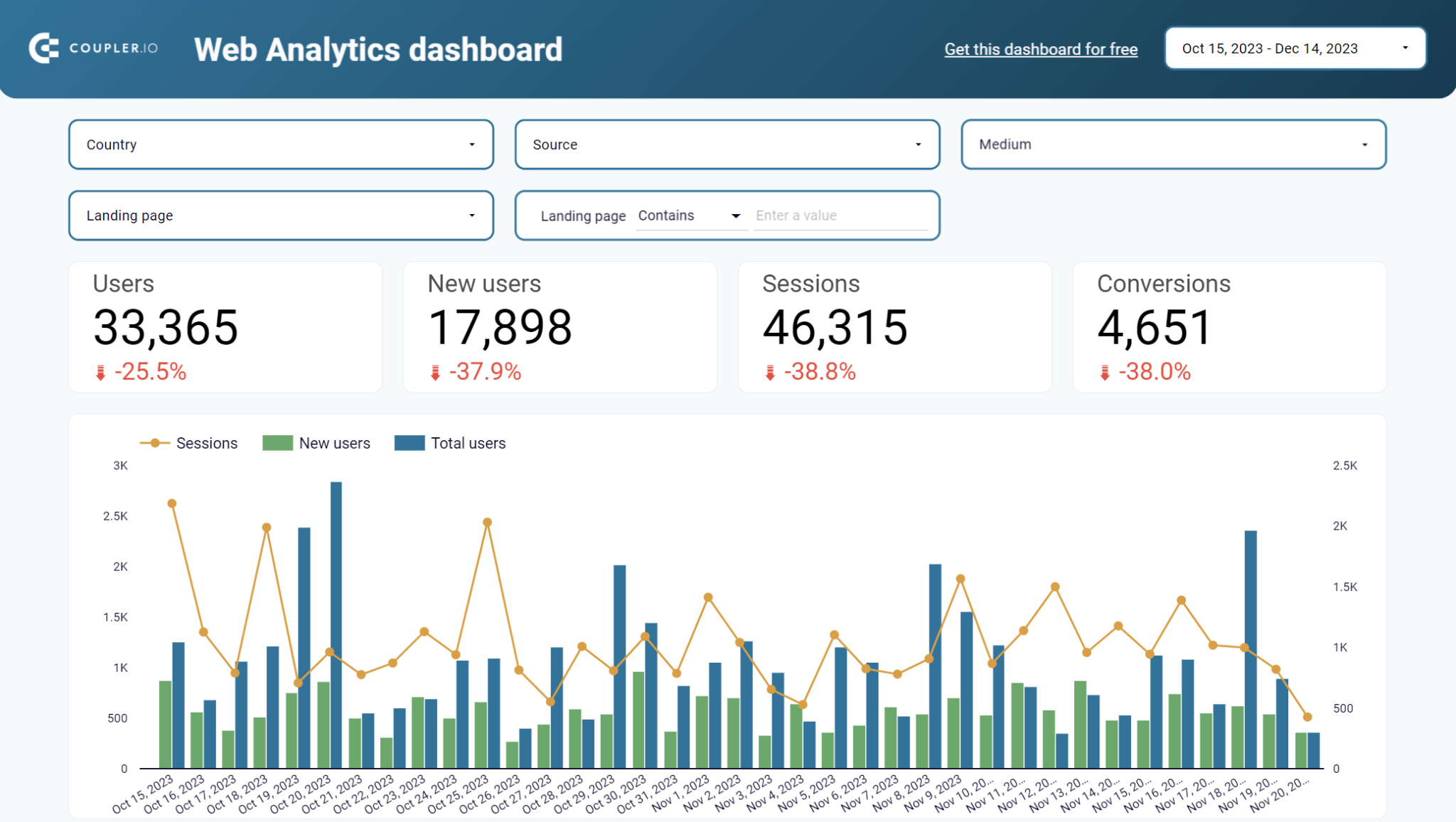
s. By understanding these key terms and concepts, you can leverage data to enhance user experience, increase conversions, and effectively measure the impact of your digital marketing initiatives.